
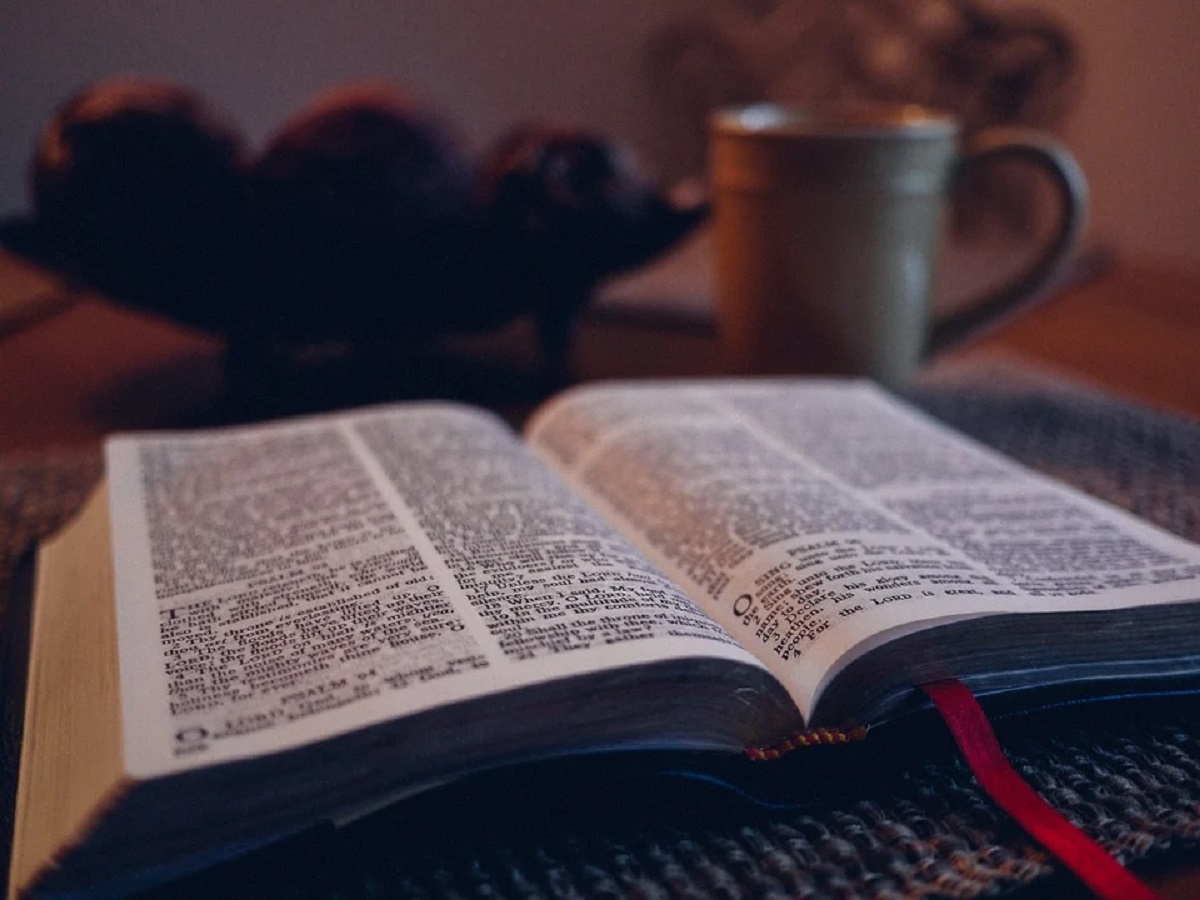
2019 is officially here, and with the new year comes a slew of fresh challenges and opportunities. Americans are not the only people who make New Year’s resolutions, but recent research indicates that 60 percent of us do. The most common resolutions are to engage in healthier lifestyles (eat better, exercise more, lose weight), take better care of ourselves, and find new means of stimulation (new hobbies, different job, etc). For many Christians, atop their New Year’s resolution list will be to read the Bible in 2019.
This is a supremely worthy goal. It requires discipline, conviction, and consistency but the reward is in the pursuit itself- as one hears the Word of the Lord daily, they grow in their knowledge of the Lord himself. I hope this article will help be useful and encouraging for you if you are seeking to know God better through his Word in this new year. Although there is more that I want to write about on this topic, I want to limit this article to one idea- breaking down common barriers to establishing consistency in Bible reading.
Break Down The Barriers
Selling Yourself Short: Most Bible reading plans call for reading somewhere around 3 chapters of the Bible per day. These may include a chapter from the New Testament, a chapter from the Old Testament, and a Psalm or Proverb daily. In reality, this is one half of an hour of reading for most persons. But if you pick up a Bible reading plan that calls for only reading one or three chapters per day (or worse, a “daily verse”), then you are likely selling yourself far short of your potential. At this pace, and accounting for interruptions and lapses in discipline, most people will fall short of their “read the Bible in a year” plan. Take this barrier out of the equation by pressing yourself to read far more than is called for in a day’s time. Better yet, ditch the “X chapters in Y days” method altogether.
Reading Unnaturally: The Bible is a book, or more properly, a collection of books, letters, poetry, and other written records of God’s revelation. Yet many systems or plans call for reading this book in a highly unnatural way- a chapter here, a chapter there, part of a verse here, etc. You would never read most books this way. Furthermore, most people do not give themselves a hard starting and finishing date for the books they read; they simply pick them up and begin reading, until they are engrossed in the story line. Read the Bible the same way you are reading this blog post; select a book (Genesis, Matthew, etc.), start at the left, and move to the right. Do not become bogged down in artificial beginning and ending dates, and allow yourself to give all of your attention to the particular book that you are reading at the time.
Creating Unrealistic Expectations: While I encourage people to pursue excellence in Bible reading and challenge themselves beyond what most reading plans will challenge them, there is something to be said for managing expectations. If you are in the habit of reading your Bible rarely (less that 3x per week) or even not at all, it is unlikely that you will begin successfully applying yourself to reading for an hour every day. Do not let this discourage you. Instead, strive to be a consistent half-hour reader every day. When this becomes so habitual that you no longer consider the time, you will find yourself able to press on to more reading with the same level of consistency. The critical thing is to strive for consistency with a commitment to long-term growth.
The barriers that often bring down those who pursue the message of the Bible are an underestimation of one’s abilities and the tendency to create deadlines and checklists that highlight failure rather than encourage success. If you have a very high level of self-discipline and the fortitude to overcome failure, then such a plan may work well for you. If not, ditch the “system” or “plan” and just read the Bible!
Here is a recommendation to get you started:
1. Create a list of the books of the Bible. This can be in canonical order (as they appear in the Bible), or in any order that you prefer.
2. Select a book to begin reading, and simply dig in. If you have an hour, read for an hour. If you have only 15 minutes before work, then read for those 15 minutes and pick it back up when you get a chance.
3. When you finish a book, make a note of it (check mark, date completed, etc.) and move on to the next one.
Remove the pressures of artificial deadlines and pursue reading the Bible as it was intended to be read! In this way, you’ll find yourself reading the Bible more often and more naturally.
Soli Deo Gloria,


Preston, what are your thoughts on reader’s Bibles that format the text like a normal book, removing verse numbers and other types of reference material. While I know that these and other materials such as study Bibles are helpful, I personally find reader’s Bibles great for reading long portions of Scripture and devote other time to more in depth study.
LikeLike